
Railroad Worker Laws Explained: What Rules Protect You on the Job
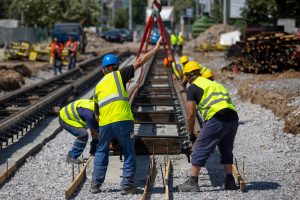 In what other modern industry are frontline workers still relying on a law passed in 1908 to protect their safety and their families’ income?
Railroad employees are.
While most workers fall under no-fault state compensation systems, the people who move freight and passengers across the country depend on the Federal Employers’ Liability Act and a set of powerful federal safety rules. For many workers in the Northeast, the conversation about compensation after an injury starts with a call to a top-rated railroad injury attorney at Cahill & Perry, P.C. Attorneys at Law.
Rule No. 1: FELA Gives You the Right to Sue for Negligence
Under the Federal Employers’ Liability Act (FELA), injured railroad workers are not limited to state workers’ compensation; instead, they can sue their railroad employer when negligence plays any part in causing an injury or death. Courts have repeatedly held that even slight negligence by the railroad is enough to trigger liability.
That structure makes FELA different from standard compensation systems. In a FELA claim, a railroad injury lawyer can seek:
- Past and future wage loss
- Medical expenses and rehabilitation
- Pain, suffering, and loss of enjoyment of life
- Loss of earning capacity for permanent injuries
Because FELA is fault-based, proof of unsafe conditions or rule violations can significantly influence railroad injury settlement amounts. For serious spine injuries, for example, back injury settlements must account for permanent restrictions, lost overtime, and the value of a railroad career that may have ended too soon.
Rule No. 2: FRA Safety Rules Define a “Reasonably Safe” Workplace
The Federal Railroad Administration (FRA) issues detailed safety regulations that help define whether your workplace is “reasonably safe.” Under 49 C.F.R. Part 214, the Railroad Workplace Safety rules require railroads to adopt and enforce on-track safety programs, including Roadway Worker Protection (RWP) procedures, to protect employees who work on or near live track.
These regulations cover issues such as:
- How working limits are established
- When watchmen or lookouts are required
- How track can be fouled for inspection and maintenance
When those standards are ignored, injuries and fatalities follow. In a FELA case, violation of FRA rules is powerful evidence of negligence and can strengthen the FELA claims for roadway workers, track inspectors, and flagmen. For example, an injured worker who is struck due to missing or improper on-track protection may be entitled to higher railroad settlements than if the incident were truly unavoidable.
Rule No. 3: OSHA Protects Many Shop, Yard, and Facility Workers
Not all railroad employees spend their time on the main line. Many work in shops, yards, and repair facilities, where OSHA often retains authority because FRA has not issued overlapping standards. OSHA guarantees a workplace free from recognized hazards, requires training on dangers, and allows workers to raise safety concerns and request inspections.
In practice, this means machinists, carmen, signal maintainers in certain facilities, and other shop workers may rely on OSHA rules regarding:
- Machine guarding
- Fall protection
- Chemical exposure and ventilation
- Lockout/tagout for energy control
When a railroad violates these rules and a worker is hurt, those violations become important evidence in FELA cases. OSHA citations or inspection findings can help show that the railroad failed to maintain safe conditions, supporting stronger railroad shoulder injury settlements after crush injuries, burns, or repetitive-stress harm in the shop.
Rule No. 4: FRSA Protects You When You Report Injuries and Hazards
Many railroad workers fear discipline when they report injuries, close calls, or unsafe practices. The Federal Railroad Safety Act (FRSA) directly prohibits railroads from retaliating against employees for reporting safety concerns, refusing work under certain hazardous conditions, or following medical treatment plans after an on-the-job injury.
OSHA’s whistleblower program enforces these protections. If a carrier suspends, demotes, or fires a worker for reporting an injury or defect, that worker may pursue relief such as reinstatement, back pay, compensatory damages, and attorney’s fees. These protections apply to conductors, engineers, track workers, and other employees across the system.
For the best Connecticut railroad injury lawyer building a FELA case, a parallel FRSA retaliation claim can be critical. It can protect your job while your case proceeds and may increase overall recovery if the railroad’s response to your injury was unlawful.
Rule No. 5: Comparative Negligence Does Not Erase Your Claim
Under FELA, a jury can reduce damages if it finds that the worker was partly at fault, but comparative negligence does not bar recovery unless the worker’s actions were the sole cause of the injury. This is important for employees worried that a missed step, a momentary lapse, or a long-standing unsafe practice might ruin their case.
Systemic issues such as understaffing, defective equipment, insufficient training, and rule-bending to meet schedules often contribute to injuries. Those factors can support meaningful railroad settlements even when the worker’s own actions are part of the story.
Rule No. 6: You Have the Right to Independent Medical Care and Legal Counsel
Railroad claim agents often reach out quickly after an incident, suggesting preferred doctors, light-duty arrangements, or early resolutions. FELA does not require you to rely solely on railroad-chosen physicians or accept quick offers that do not reflect the long-term impact of your injuries.
Instead, you have the right to:
- Seek independent medical evaluation and treatment
- Consult a railroad injury attorney before giving written or recorded statements
- Consider how permanent restrictions affect your ability to work in the industry
For nearly fifty years, Cahill & Perry, P.C. Attorneys at Law has focused on representing railroad workers, passengers, and families in serious injury and wrongful death cases, including documented multi-million-dollar verdicts and railroad settlements for flagmen, conductors, and other employees. Call 800-654-7245 or contact us today to have a dedicated railroad injury attorney review your situation and explain your options.

